If a hurricane forces you out of your home, your SNAP benefits travel with you — the EBT card works in all 50 states, the District of Columbia, and the territories, so evacuating never means abandoning your food budget. What does change after a storm is the fine print: food you lost in a power outage can be replaced if you report it within 10 days, some states temporarily let you buy hot prepared meals, and households that were never on SNAP can qualify for emergency D-SNAP benefits after a presidential disaster declaration.
This guide walks through the whole arc: what to do with your benefits in the 48 hours before landfall, how your card behaves when you cross state lines, the exact steps to get spoiled groceries replaced, and what D-SNAP offers if the storm takes more than your refrigerator. It is written for both current SNAP households and neighbors who might need help for the first time after the water recedes.
Source: USDA Food and Nutrition Administration, Disaster Assistance; Mississippi DHS, SNAP replacement benefits; USDA, SNAP EBT.
Before the Storm: Use Your Benefits Early
The single most useful thing a SNAP household can do when a hurricane watch is posted is simple: shop early. Once power fails, stores close or go cash-only, and benefit deposits scheduled for storm days can sit frozen behind downed networks. If your state announces an early issuance — several do ahead of major landfalls — the extra funds appear on your card automatically; you do not apply for them.
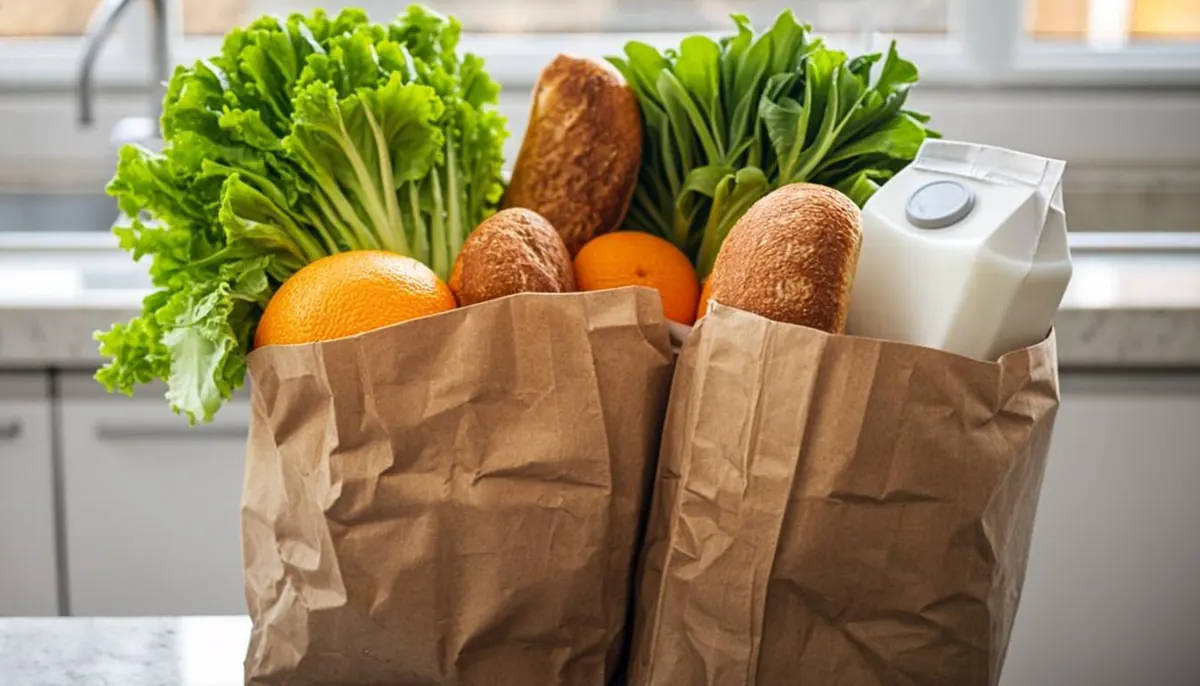
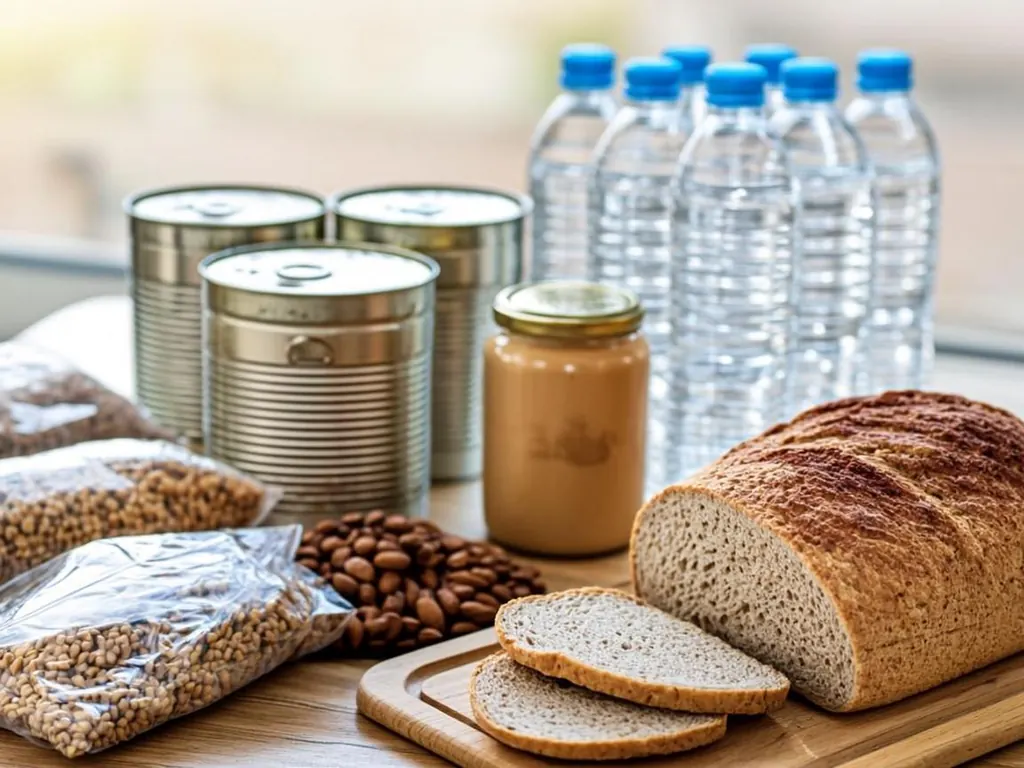
Stock foods that survive without refrigeration and can be eaten without cooking, because outages kill ovens and microwaves first. Practical picks: canned proteins (tuna, chicken, beans), peanut butter, bread and crackers, shelf-stable milk, fruit in juice, granola bars, and baby formula if relevant. All of these are standard SNAP-eligible groceries — the what you can buy with EBT guide covers the full list. Fill water containers, charge everything, and photograph your refrigerator and freezer contents; that photo becomes evidence later if the food spoils.
Your EBT Card Works Wherever the Hurricane Takes You
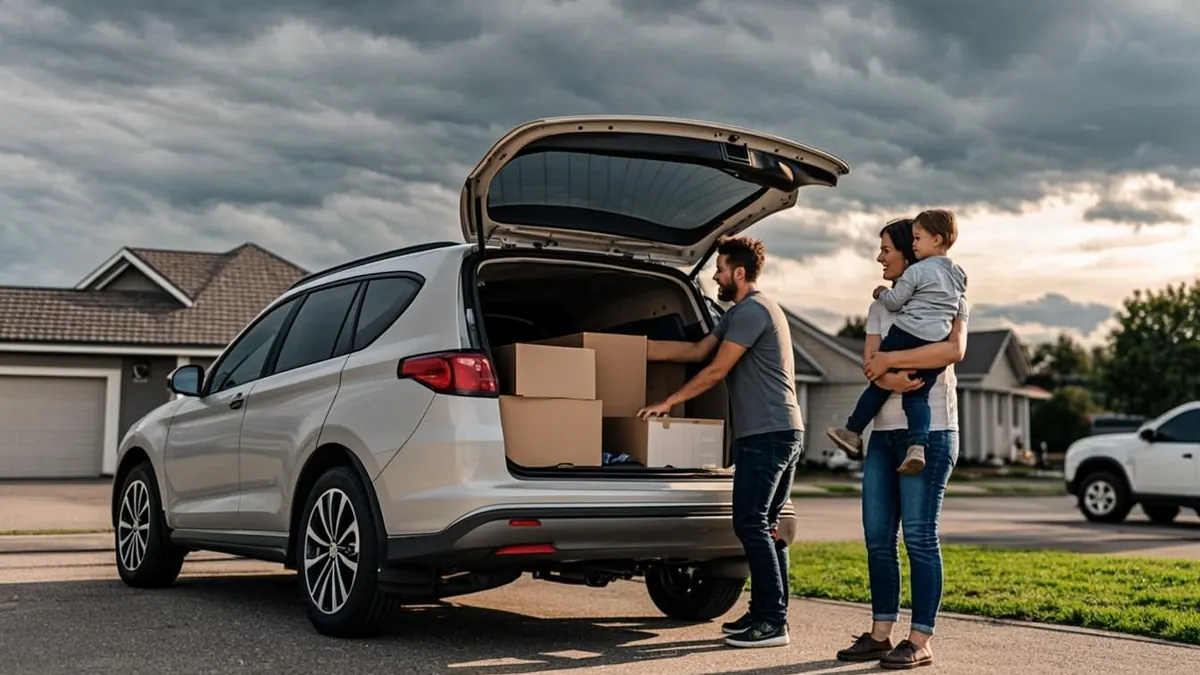
SNAP is federal, and the EBT system is nationwide — USDA confirms EBT is in use in all 50 states, the District of Columbia, Puerto Rico, the Virgin Islands, and Guam. A Louisiana family that evacuates to a Texas hotel swipes the same card in a Texas grocery store exactly as they would at home, at the same balance, with the same PIN. No notification, no paperwork, no permission needed.
Three evacuation-specific notes make the card easier to live on the road. First, small convenience stores in tourist-heavy evacuation zones may not be SNAP-licensed, so look for the EBT sign or shop at supermarket chains when possible. Second, if your card is lost or left behind during the scramble to leave, call the EBT customer service number on the back of your card — or your state's line if you have no card at all — and a replacement can be mailed to wherever you are staying, including out of state. Third, keep spending a little deliberately: benefits roll over month to month, so unused evacuation-week benefits remain yours next month.
Replacing Food Lost in the Outage
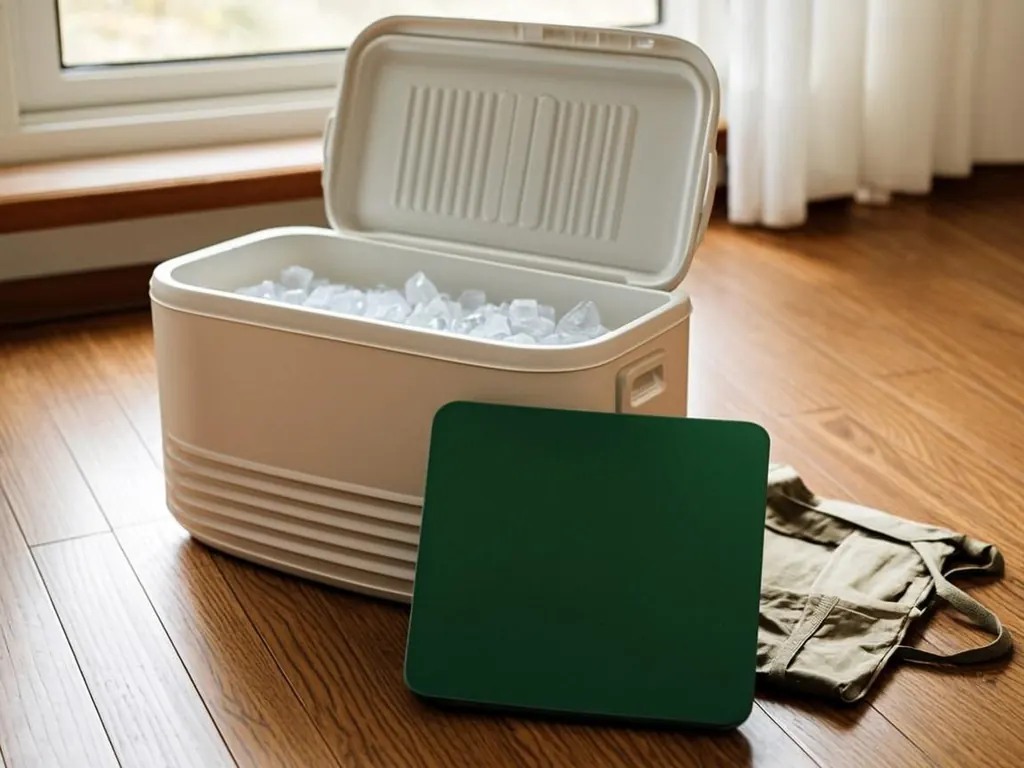
This is the rule most SNAP households never learn until they need it: food destroyed in a power outage, flood, or fire is not a loss you absorb alone. Federal rules require states to replace the value of food destroyed in a household misfortune — a hurricane outage is the textbook case — and the replacement can reach a full month's benefits.
The mechanics, using Mississippi's published process as the pattern (most states mirror it):
Step 1: Report within 10 days
Contact your local SNAP office within 10 days of the food loss — by phone, in person, or through the state portal. The clock runs from when the food spoiled, not from when you discovered it. After a major storm, state agencies sometimes extend this window publicly, but never plan on an extension; the 10-day default is the safe bet.
Step 2: Complete the food loss statement
The office gives you a short form — a "household statement of food loss" — where you describe the misfortune, list roughly what was destroyed, and estimate the value. This is where your pre-storm photos help. You do not need itemized receipts for every grocery trip; a reasonable list with honest values is what caseworkers expect.
Step 3: Return the form and watch your card
Submit the form by mail, online upload, or in person. Approved replacements post directly to your EBT card. Replacements are capped at the value of the food you lost, up to your household's full monthly allotment, and a household can claim this kind of misfortune replacement at most twice per federal fiscal year (October through September) — a hurricane year rarely needs more than one.
One more thing worth knowing: after widespread outages, some states skip the paperwork entirely and request automatic mass replacements for entire counties. If your state announces one, the replacement appears on your card without a form — check your balance rather than assuming nothing is coming, using the EBT balance guide.
Hot Foods Waivers: When You Can Buy Warm Meals
Normally, SNAP cannot buy hot or prepared food — no rotisserie chicken, no hot deli plate, no restaurant meal. After a disaster, that rule becomes cruel: evacuated families living in hotels have no stove. That is why states routinely request a hot foods waiver from USDA after a presidential disaster declaration, and why the USDA disaster hub lists the waiver among the standard flexibilities.
When a hot foods waiver is active in your state, your EBT card buys any prepared food at SNAP-licensed retailers — grocery deli counters, convenience store hot cases, and (under some waivers) participating restaurants. The waiver is temporary and county-specific, announced by the state agency and signed at the register. If a cashier declines a hot item, ask whether the waiver is active in that county before assuming your card is the problem. Families sheltering out of state should know the waiver follows the disaster area, not the card — the store's location decides, not your home address.
D-SNAP: Help for Households That Were Never on SNAP
Hurricanes push thousands of households over an edge they had never been near — a week of lost wages, a flooded car, a hotel bill. For them, USDA operates the Disaster Supplemental Nutrition Assistance Program (D-SNAP), a separate emergency benefit that turns on after a presidential disaster declaration for individual assistance and only where retail food stores are operating or reopening.
D-SNAP differs from regular SNAP in ways that matter after a storm:
| Rule | Regular SNAP | D-SNAP |
|---|---|---|
| Who qualifies | Income and (in most states) asset limits | Disaster expenses considered — home repairs, temporary shelter, lost income can qualify you even above normal limits |
| When you apply | Any time | Short announced window, usually 7+ days at disaster centers |
| Benefit size | Based on household size and net income | Typically one month's maximum allotment for the household |
| How you get it | EBT card | EBT card (new or existing) |
| Already on SNAP? | — | Current households usually get a supplement instead, not a double benefit |
How much is "one month's maximum"? Under the FY2027 allotment figures effective October 1, 2026, a D-SNAP award works out to $306 for a one-person household, $562 for two people, $808 for three, and $1,023 for a household of four — in Alaska, Guam, and the Virgin Islands the tables run higher. The award lands on an EBT card and spends exactly like regular SNAP benefits.
Current SNAP households generally do not file a D-SNAP application — their disaster help flows through replacements and supplements. But if your income just dropped because the storm closed your workplace, ask: some states let newly-situated households switch pathways. State announcements (local news, county websites, the USDA disaster page for your state) carry the exact D-SNAP locations and dates; missing the window is the most common way eligible families lose out.
While You Are Evacuated: Shelter and Food Options
Benefits are one layer; the emergency system is another, and they stack. Red Cross and state shelters serve meals at no charge and do not ask about income. FEMA's hurricane readiness guidance covers shelter locations and emergency alerts. Food banks mobilize quickly after landfalls — many run mobile pantries into neighborhoods where stores stay closed for weeks, and none of it affects your SNAP case or counts against you. WIC households have disaster flexibilities too: clinics can replace lost food benefits and adjust packages, so tell the WIC office where you landed if you evacuated with young children.
Keep a simple paper trail through it all — shelter letters, hotel receipts, repair estimates. D-SNAP eligibility leans on disaster expenses, and those documents turn a maybe into a yes.
Frequently Asked Questions
Can I use my EBT card in another state during an evacuation?
Yes. EBT works in all 50 states, the District of Columbia, and the territories, with the same balance and PIN. No call or approval is needed — just shop as usual wherever you evacuated to.
How do I get replacement benefits for food spoiled in a power outage?
Contact your SNAP office within 10 days of the loss, complete a short food loss statement describing and valuing what was destroyed, and return it. Approved amounts post to your EBT card, up to a full month's benefits.
Can SNAP buy hot food after a hurricane?
Only if your state has an active hot foods waiver for the disaster area. States request these waivers after presidential disaster declarations, and they let EBT buy prepared meals at licensed retailers until the waiver expires.
What is D-SNAP and who qualifies?
D-SNAP is the disaster version of SNAP that activates after a presidential disaster declaration. Households with disaster expenses — repairs, shelter, lost income — can qualify even above normal SNAP limits, receive about one month's maximum allotment, and apply during a short announced window.
I already get SNAP. Do I also apply for D-SNAP?
Usually no — current households receive disaster help through food replacements and supplements rather than a D-SNAP application. If your income dropped sharply because of the storm, ask your state agency which pathway fits.
What if my EBT card was lost or destroyed in the storm?
Call the EBT customer service number (on your state agency's website if the card is gone) and request a replacement — cards can be mailed to an out-of-state address where you are sheltering. Your benefits stay safe on the account; the card is only the key.
Do disaster food banks or shelters affect my SNAP case?
No. Emergency meals at shelters and food from disaster pantries do not count as income and do not reduce or delay your SNAP benefits. Use both freely — that is what they exist for.
How long do I have to report food loss?
Ten days from the loss under the standard rule, though states sometimes extend the window after major disasters. Report as soon as you can; waiting is the main reason legitimate claims get denied.
Will I get my monthly benefits on time if the storm hit around my deposit date?
Most likely yes — deposits are electronic and usually post on schedule even during outages. States can also request early issuance before a forecast storm. If your deposit is late after a disaster, call your state agency, because special issuances may be processing.
Related SNAP Guides
- SNAP Emergency Allotments Explained — expedited processing when money runs out before the storm does
- How to Check Your EBT Card Balance — verify replacements and deposits from your phone
- What Can You Buy With an EBT Card? — the eligible-foods list for storm-prep shopping
- SNAP Application Documents Checklist — rebuilding a case after a disaster displacement
- How to Apply for SNAP Online — for households applying for the first time after the storm