Eligible Food Items You Can Buy with EBT
Nutrition Facts labelFruits and Vegetables
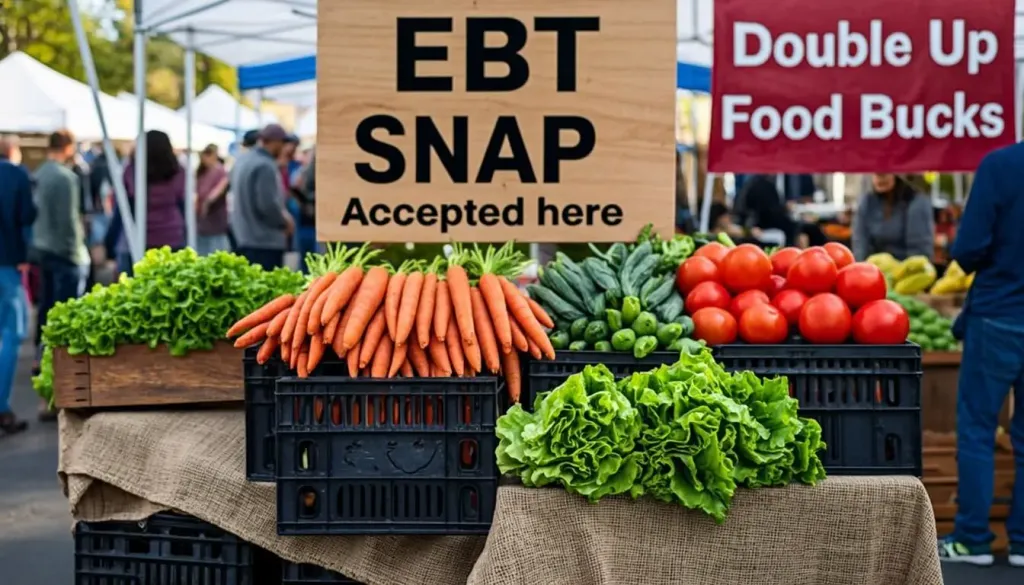
Fresh, frozen, and canned fruits and vegetables are all eligible. This includes everything from fresh apples and spinach to frozen broccoli florets and canned green beans. Pre-cut fruit and bagged salad mixes count too. If you shop at a farmers market, look for vendors with an EBT sign — your benefits work there as well, and some markets offer bonus dollars through the Double Up Food Bucks program.
Meat, Poultry, and Fish
All raw cuts of beef, pork, chicken, turkey, and fish are covered. This includes steaks, ground meat, whole chickens, fish fillets, shrimp, and other seafood. Canned meats like tuna, chicken, and spam are eligible too. Lunch meat from the deli cold case qualifies, but hot rotisserie chicken does not — more on that in the restrictions section.
Dairy Products
Milk, cheese, yogurt, butter, eggs, sour cream, and cottage cheese are all SNAP-eligible. Plant-based alternatives like oat milk and soy milk with a Nutrition Facts label also qualify. Ice cream and frozen yogurt fall into the dairy and snack category and are eligible as well.
Breads and Cereals
Loaves of bread, tortillas, bagels, rolls, cereal, oatmeal, rice, pasta, and crackers are all covered. This is one of the most versatile categories because it includes staple items that form the base of many meals. Baking mixes like pancake mix and cornbread mix count too.
Snack Foods and Non-Alcoholic Beverages
SNAP covers chips, cookies, candy, soda, juice, coffee, tea, and other snack items and non-alcoholic drinks. Yes, junk food is technically eligible under current federal rules — though some states are moving to change that in 2026 (covered later in this article). Energy drinks with a Nutrition Facts label are eligible, but drinks sold with a Supplement Facts label are not.
Seeds and Plants That Produce Food
This is one of the most overlooked SNAP benefits. You can buy vegetable seeds, herb plants, and fruit trees with your EBT card. If the plant or seed produces food for you to eat, it qualifies. A packet of tomato seeds, a basil plant, or a bare-root apple tree are all eligible. This can stretch your benefits significantly — a $2 packet of seeds can produce dozens of dollars worth of food over a growing season.
Baby Food and Infant Formula
Jarred baby food, infant formula, baby cereal, and toddler snacks are fully eligible. This category is critical for families with young children, and there are no restrictions on brands or types within the baby food aisle. Breast pumps and feeding supplies are not covered by SNAP, though WIC may cover those items.
Cold Prepared Foods
Foods from the deli or salad bar that are sold cold are eligible. This includes cold deli sandwiches, potato salad, coleslaw, cold rotisserie chicken (chilled), and items from the salad bar. The key distinction is temperature — if it is sold cold for you to take home and heat, it qualifies. If it is sold hot and ready to eat, it does not.
Frozen Foods and Meals
Frozen pizza, TV dinners, frozen vegetables, frozen fruit, ice cream, and frozen meals of all kinds are eligible. As long as the item is frozen and meant to be prepared at home, SNAP covers it. This category gives recipients access to convenient meal options that can be stored for long periods.
Cooking Ingredients
Flour, sugar, cooking oil, salt, spices, baking powder, vinegar, and condiments like ketchup and mustard are all covered. These items do not always look like "food" on their own, but they are essential for preparing meals at home and fall squarely within SNAP eligibility.
Items You Cannot Buy with EBT
SNAP benefits cannot be used for non-food items or hot prepared foods. The restrictions are specific, and violating them at the register can be embarrassing and may flag your account for review. Here is a clear breakdown of what is off-limits.
| Ineligible Category | Examples |
|---|---|
| Alcohol & Tobacco | Beer, wine, liquor, cigarettes, vape products, chewing tobacco |
| Hot Prepared Foods | Rotisserie chicken, hot pizza, hot deli sandwiches, hot soup to-go |
| Vitamins & Supplements | Multivitamins, protein powder, fish oil, herbal supplements |
| Medicines & Drugs | Over-the-counter medicine, prescription drugs, first aid supplies |
| Pet Food | Dog food, cat food, bird seed, fish food |
| Cleaning Supplies | Dish soap, laundry detergent, all-purpose cleaner, sponges |
| Paper Products | Paper towels, toilet paper, napkins, paper plates |
| Cosmetics & Hygiene | Shampoo, toothpaste, deodorant, makeup, soap |
| Diapers | Disposable diapers, wipes (unless using EBT Cash benefits) |
| Household Supplies | Pots, pans, dishes, utensils, light bulbs, batteries |
| Live Animals | Pets, livestock (exception: live shellfish like lobsters) |
Restaurant Meals Program
Restaurant Meals Program (RMP)Who Qualifies for RMP
Only SNAP recipients who are elderly (age 60 or older), disabled, or homeless can use the Restaurant Meals Program. These groups may have difficulty preparing meals at home due to physical limitations or lack of kitchen facilities.
Participating States
The RMP is available in Arizona, California, Illinois, Maryland, Massachusetts, Michigan, New York, Rhode Island, and Virginia. Each state selects its own participating restaurant chains.
How It Works
At a participating restaurant, swipe your EBT card just like you would at a grocery store. The purchase is deducted from your SNAP balance. Not all restaurants in RMP states participate — look for an EBT or SNAP acceptance sign at the door or register.
If you think you qualify for the Restaurant Meals Program, check with your local SNAP office for a list of participating restaurants in your area. Major chains like Subway, McDonald's, and Pizza Hut often participate in RMP states, but participation varies by location.
Online Grocery Shopping with EBT
shop for groceries online
Major online retailers that accept EBT include Amazon, Walmart, Target, ALDI (through Instacart), Kroger, and Safeway. Each retailer works a bit differently — Amazon and Walmart let you enter your EBT card number at checkout, while stores using Instacart require you to select EBT as your payment method during the ordering process.
discounted Prime membership at $5.99 per monthFarmers Markets and Double Up Food Bucks
Farmers markets are an excellent place to use your EBT card, especially during growing season. Most farmers markets in the United States now accept SNAP benefits, and many participate in incentive programs that stretch your dollars further.
Double Up Food Bucks
The Double Up Food Bucks program operates in more than 25 states and provides a dollar-for-dollar match on SNAP spending at farmers markets. For every $1 you spend with EBT on fresh fruits and vegetables, you earn $1 in Double Up bucks to spend on more produce. Some programs cap the match at $10 or $20 per day, but that still means up to $40 worth of fresh produce for a $20 EBT spend. Ask the market information booth how to enroll — the process is usually quick and simple.
Using EBT at a farmers market works a bit differently than at a grocery store. Most markets use a central token or receipt system. You swipe your EBT card at the market's central booth, receive tokens or a receipt for the amount, and then use those tokens to pay individual vendors. Any unused tokens can be saved for your next visit. This system ensures that every vendor can accept EBT without needing their own card reader.
EBT Cash vs SNAP Benefits
SNAP EBT Cash| Feature | SNAP Benefits | EBT Cash (TANF) |
|---|---|---|
| What It Covers | Food items only | Food, rent, clothing, diapers, toiletries, cleaning supplies |
| Where It Works | Grocery stores, farmers markets, online retailers | Most retailers, ATMs (cash withdrawal) |
| Checkout Selection | Select "FOOD" or "SNAP" | Select "CASH" |
| Hot Foods | Not allowed | Allowed |
| Cash Back | Not available | Available at some retailers |
If you receive both SNAP and TANF cash benefits, they are loaded onto the same physical EBT card but tracked as separate balances. At checkout, the card reader will ask you to choose "FOOD" or "CASH." Select FOOD for grocery purchases using your SNAP balance, and CASH for non-food items or when you want to use your TANF cash benefits. This distinction is automatic in most cases — the system will not let you buy toilet paper with your SNAP balance, for example.
2026 Changes: State SNAP Waivers
state-level waiversFirst Wave — Effective January 2026
Indiana, Iowa, Nebraska, Utah, and West Virginia were among the first states to receive USDA approval for waivers restricting sugar-sweetened beverages, candy, and certain energy drinks from SNAP eligibility. Recipients in these states can no longer use EBT to buy items in those restricted categories.
Second Wave — Pending or Approved
Louisiana, Texas, Idaho, Florida, and Arkansas have either received approval or have applications pending for similar restrictions. The exact list of restricted items varies by state — some target only soda and candy, while others include flavored sports drinks and energy drinks. Check your Alabama SNAP eligibility guide or your own state's SNAP office for the current list of restricted items where you live.
Summer EBT / Sun Bucks Program
Summer EBT program $120 per childFamilies already enrolled in SNAP or TANF are automatically enrolled in Summer EBT — no separate application is needed. If your household is not currently receiving benefits but your child attends a school that participates in the National School Lunch Program, you can apply directly through your state's Summer EBT portal. The application deadline is August 31, 2026. These benefits can be used for any SNAP-eligible food item at authorized retailers.
Tips for Maximizing Your EBT Benefits
Getting the most out of your SNAP benefits comes down to strategy. Small changes in how and where you shop can make your monthly allotment go significantly further. Here are practical tips that add up to real savings over time.
Carry Over Unused Benefits
SNAP benefits roll over from month to month. If you do not spend your full balance, the remaining amount stays on your card. There is no penalty for saving benefits — just use them within 12 months to avoid account inactivity rules that vary by state. When your certification period ends, use our CalFresh recertification guide to renew on time and avoid gaps in coverage.
Use Double Up Food Bucks
If your state offers Double Up Food Bucks at farmers markets, take advantage of it. A $20 EBT spend on produce earns you $20 in matching bucks. That doubles your buying power on the healthiest items in the store.
Buy in Bulk When Possible
Rice, beans, oats, flour, and frozen vegetables are much cheaper per serving in bulk sizes. Compare unit prices on the shelf tag. Spending a few extra dollars on a larger package can save you money over the month.
Combine Coupons with EBT
You can use manufacturer coupons alongside your EBT card. The coupon amount reduces your total, and EBT pays the remainder. Store loyalty programs and digital coupons work the same way. Stack these savings for the lowest out-of-pocket cost.