Snap outreach for seniors exists because of a stubborn gap. Older adults enroll at roughly half the rate of eligible working-age households. The snap outreach seniors programs were built to close it.
The benefits are sitting there. The rules actually favor seniors. Yet millions never file, and outreach works better than most people expect.
This guide explains why the gap persists and who runs the programs that fix it. You'll also learn how to find free enrollment help for a parent, a neighbor, or yourself. It ends with a family checklist for remote enrollment, built from steps outreach workers actually follow.
Why So Few Eligible Seniors Claim SNAP
USDA's own participation studies put senior enrollment near forty-eight percent. The national rate sits above eighty percent.
The gap isn't about eligibility. Deductions for medical costs and uncapped shelter make many seniors strongly eligible. The gap lives in psychology, logistics, and information.
Four barriers come up in almost every focus group. Stigma tops the list. A generation raised on self-reliance often sees the program as charity and resists it.
Fear of paperwork complexity ranks third. Pure unawareness of eligibility fills out the set. Each barrier has a direct counter, and that's exactly what outreach workers carry in their toolkit.
| Barrier | What it sounds like | The outreach answer |
|---|---|---|
| Stigma | "I worked my whole life; I won't take handouts." | SNAP is earned federal insurance, like Medicare |
| Small-benefit myth | "It's probably $20 a month." | Prescreening shows real deductions often mean $150+ |
| Paperwork fear | "I can't deal with all those forms." | Counselors own the checklist end to end |
| Unawareness | "I'd never qualify." | A twenty-minute screen settles it with real numbers |
📌 The benefit is rarely trivial
Seniors with high medical costs and rent often receive $150 to $250 monthly. The minimum benefit is only $24, and that floor misleads people. Most senior cases with real deductions land far higher.
Who Actually Runs Senior Outreach
No single agency owns outreach. That's both the strength and the confusion of the system. A dozen organizational types run programs, and they coordinate loosely through regional networks.
Knowing the players helps you pick the fastest route to help.
- Area Agencies on Aging. These are the federal aging network's local arms, present in nearly every county. Their benefits counselors prescreen and enroll seniors.
- Food banks. Most run SNAP outreach teams with dedicated hotlines and application events.
- Senior centers. Many host monthly enrollment days with visiting counselors on site.
- National benefits access nonprofits. Groups like NCOA run BenefitsCheckUp, a screening tool that maps every benefit a senior might qualify for.
- Faith and community groups. Congregations often train volunteers who help neighbors file, especially in rural areas.
- Libraries. Reference desks know the local programs. Many libraries host counselors weekly.
The Area Agency on Aging is usually the best first call. Their counselors see senior cases daily. They know which state office loses paperwork, which deductions seniors miss, and how to schedule phone interviews around hearing difficulties.
The USDA state directory lists every SNAP office. Your county's aging services number appears in any web search.
Snap Outreach Seniors Programs in Practice
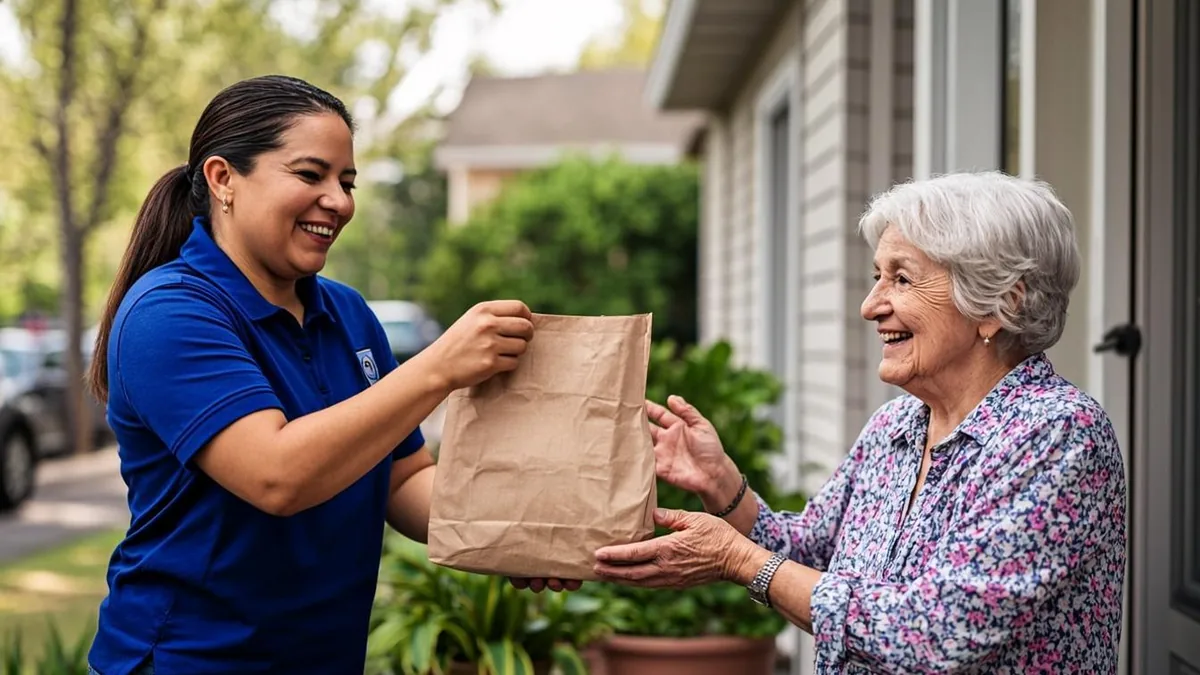
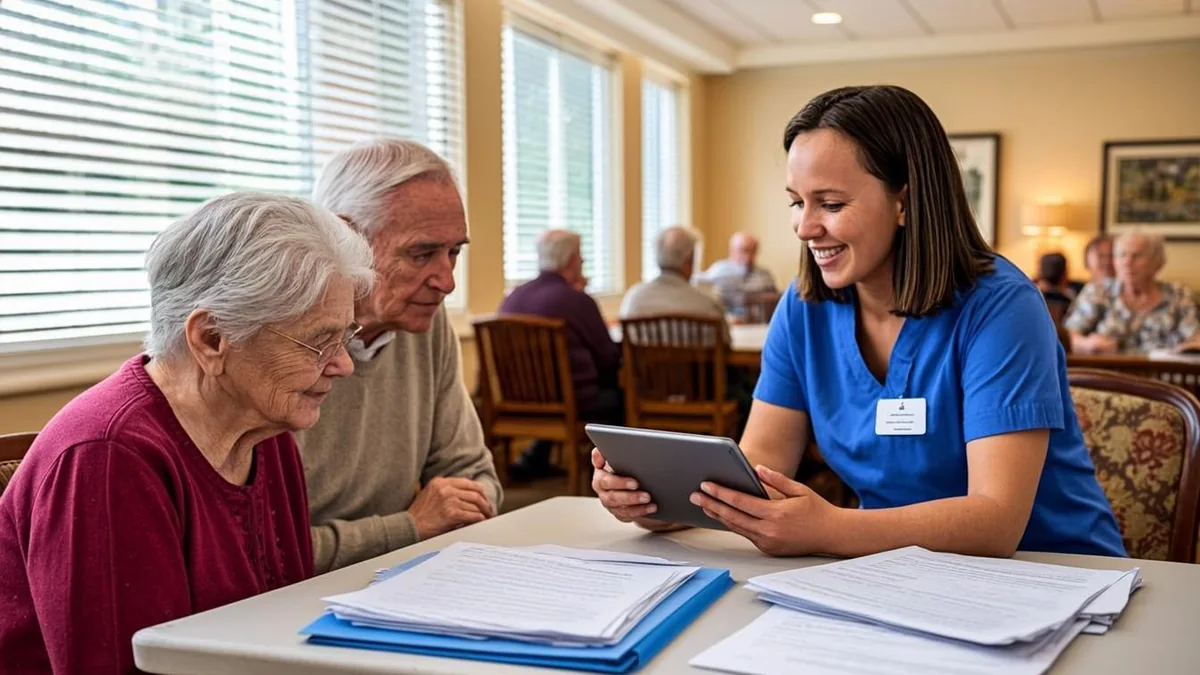
The job title undersells the work. A good outreach counselor runs the whole enrollment process alongside the senior, not just a referral. The typical engagement follows a recognizable arc.
Prescreen the numbers
Twenty minutes with income, rent, and medical costs shows whether applying makes sense. This step alone prevents wasted applications.
Build the document folder
The counselor lists exactly which proofs the state wants, then helps gather them. That often means phone calls to banks and agencies.
File the application
Online, by mail, or in person, whichever fits the senior's circumstances. The counselor keeps copies of everything filed.
Prepare for the interview
A mock run-through covers the questions the eligibility worker will ask. It steadies nerves and shortens the call.
Follow up to decision
The counselor tracks the thirty-day clock and chases missing verification letters. Stalled cases get escalated.
That arc explains the success rates outreach programs report. Seniors working alone abandon applications at the document stage more than anywhere else. A counselor who owns the checklist removes that risk entirely.
One story shows the arc end to end. A retired machinist in Iowa held out for two years on pride. He was convinced his $1,340 pension and paid-off house disqualified him.
A food bank counselor ran his numbers at a community meal site. His $190 in Medicare premiums and $540 rent pushed the math hard in his favor. The benefit landed at $186 monthly.
He signed up that afternoon. The counselor's file note read simply: "Prescreen changed his mind before I did."
How to Find Free Help Near You
Three search paths cover nearly every location. Start with 211. It's the national helpline that routes you to local benefits help with one call.
Then search your county name plus "Area Agency on Aging" for the dedicated senior counselors. After that, check your regional food bank's website for a SNAP outreach page. Most food banks now maintain one with their own intake forms.
National screening tools work well from a distance. BenefitsCheckUp walks adult children through a parent's situation. The benefits report takes about fifteen minutes.
The report lists every program the household might qualify for, not just SNAP. That part often surprises families. Our senior eligibility guide covers what those screening tools ask and why.
Prefer self-service? The federal eligibility standards page publishes the income tests directly. Run the numbers once, then decide whether a counselor is worth the call.
Most seniors who run the numbers with real medical costs end up calling.
💡 One screened-out senior is one missed hundred
Outreach evaluations keep finding the same thing. Prescreened seniors who apply receive meaningful benefits, often over $100 monthly. The screening step filters out the genuinely ineligible, so the people who proceed win far more often.
A Family Checklist for Enrolling a Parent Remotely
Adult children often coordinate from another state, and the process supports that well. Follow this checklist in order. Most cases complete inside a month.
- Week one: gather the financial picture. List monthly income sources, rent or mortgage, utility bills, and rough amounts for out-of-pocket medical costs.
- Week one: run a prescreen. Use BenefitsCheckUp or a county counselor with those numbers before promising anything.
- Week two: assemble documents. Award letters, bank statements for thirty days, the pharmacy printout, and photo ID for your parent.
- Week two: decide on representation. If you'll manage the case, request the authorized representative form from the state office early.
- Week three: file and calendar the clock. Submit the application, save the confirmation, and mark the thirty-day decision deadline. Check the mail weekly.
- Week three and four: prep the interview. Coach your parent on the phone call, or join as the representative. Some states allow a three-way call.
The senior application walkthrough details each of those documents. The medical deduction guide covers the expense records that raise senior benefits most.
Why the Filing Date Matters Most
Remote enrollment works because every step accepts phone and mail alternatives. Nothing requires the applicant to appear in person.
Timing matters more in senior cases than in any other group. Benefits are not retroactive. An application filed the week a pension drops protects a full month of benefits that waiting would erase.
Counselors push urgency for exactly this reason. Treat the filing date as the deadline that matters. Everything else can be repaired later; the start date cannot.
One More Program to File With It
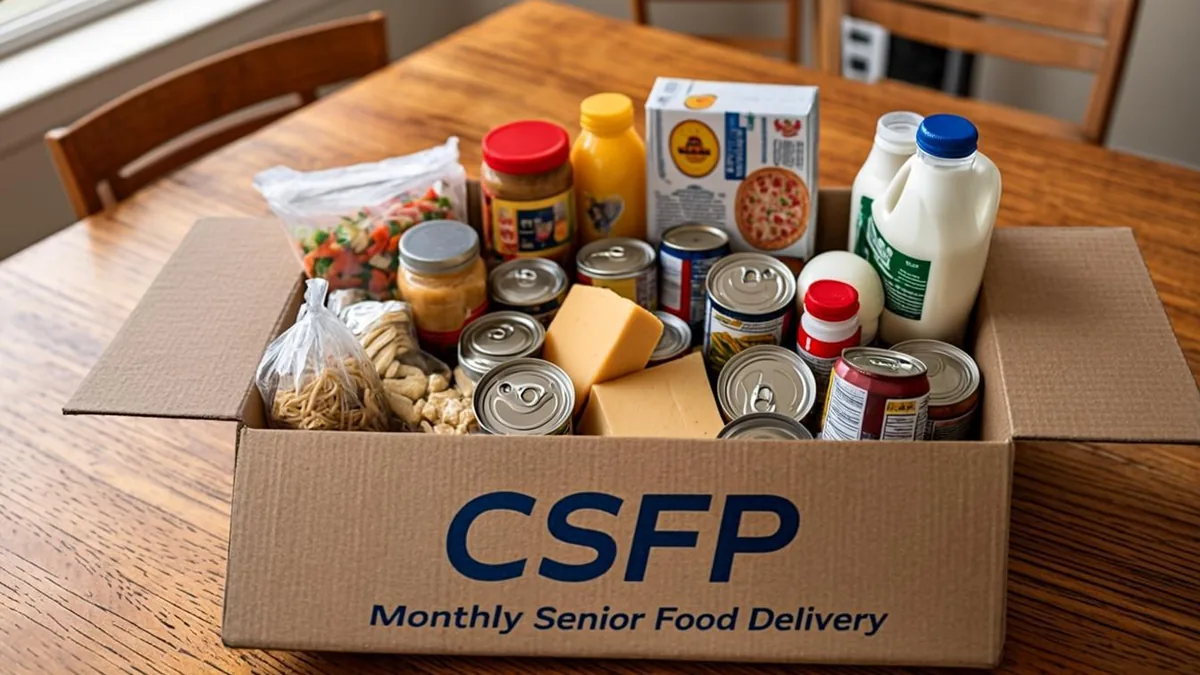
One more program belongs in every senior conversation. The Commodity Supplemental Food Program mails seniors sixty and up a monthly box of pantry staples. Our CSFP guide explains how it stacks with SNAP.
Outreach counselors usually screen for both in one sitting, because the income lines match closely. Filing for both feeds a household from two directions at once.
What Outreach Programs Measure and Why It Matters
Effective programs track three numbers: applications assisted, approval rates, and average benefit secured. The approval rates tell the real story.
Counselor-assisted senior applications get approved far more often than solo filings. Deductions usually arrive documented the first time, and that makes the difference. It's the argument for using these programs rather than admiring them.
Funding for outreach shifts with budgets, and local programs depend on usage numbers to survive. Every senior who uses the service strengthens the case for keeping it.
If the program helped your family, send a short note to the county aging director. It does more than you'd guess.
Frequently Asked Questions
Why do so few eligible seniors receive SNAP?
Is SNAP worth it for a senior with a small pension?
Who can help my mother apply for free?
Can I enroll my father from another state?
Does using SNAP affect my parent's other benefits?
What documents should we gather before calling a counselor?
How long does a senior SNAP application take with help?
Do outreach programs charge anything?
Sources: USDA Food and Nutrition Service, SNAP participation rates by demographic group; Area Agency on Aging program documentation; national benefits access screening tools.