Applying for SNAP in person remains the right choice for plenty of households. The office experience is better than its reputation. You can hand documents to a human, get same-day answers, and leave knowing your file is complete.
A snap application in person also solves problems that online portals create, from scanner issues to language barriers. This guide covers when a face-to-face visit beats the online route.
It also lists exactly what to bring and how the walk-in process runs. It closes with the hybrid strategy experienced applicants use: file in person, then finish the case online.
When Applying in Person Beats Applying Online
Online filing works well for organized households with scanners and reliable internet. The office visit wins in five common situations. Knowing them saves wasted hours.
- No scanner or computer. Paper documents go straight to a person who can photocopy them on the spot.
- Language needs. Offices provide free interpreters, and in-person visits make arranging one much easier.
- Urgent food needs. In-person screener conversations often trigger same-day expedited flags that online forms bury.
- Complicated households. Shared custody, mixed income, or unusual living arrangements get explained in two minutes of talking, not twenty text boxes.
- Previous denial confusion. Bring an old denial notice to the counter and get direct answers about what changed.
The expedited flag deserves emphasis. Households with almost no income and little cash can qualify for seven-day processing. But the screener has to recognize the situation.
A conversation at the window communicates urgency in a way no checkbox reliably does. The expedited application guide lists the three federal triggers. State them plainly at the counter.
The visit also settles the fee question people whisper about. SNAP applications are free everywhere. There's no filing charge, no processing fee, and no cost for the EBT card.
Anyone who asks for money to file is running a scam, not a government office. The official USA.gov SNAP page confirms the zero-cost rule.
What to Bring: The Complete In-Person Checklist
In-person applications shine when the folder arrives complete. Bring these items for every adult in the household. The visit usually wraps in one sitting.
| Document | Why the office needs it | If you do not have it |
|---|---|---|
| Photo ID for each adult | Identity verification | Ask about alternate proofs |
| Social Security numbers or cards | Household member registration | Numbers suffice; cards optional |
| Proof of address | Residency and county routing | Lease, utility bill, or shelter letter |
| Last 30 days of pay stubs | Income verification | Employer letter or wage printout |
| Rent or mortgage proof | Shelter deduction | Receipts, lease, or landlord statement |
| Utility bills | Utility allowance credit | Statement of responsibility from landlord |
| Childcare or medical cost records | Major deductions | Provider statements work |
Photocopies beat originals for everything except ID. Staff verify the ID and hand it back. Keep your originals safe at home and hand over copies, because papers occasionally vanish inside large offices.
Label every page with your name before arriving. Unlabeled documents slow verification after you leave.
How a Snap Application In Person Runs From Door to Decision
Most county offices accept walk-ins during business hours. No appointment is required to file an initial application. The visit has a rhythm.
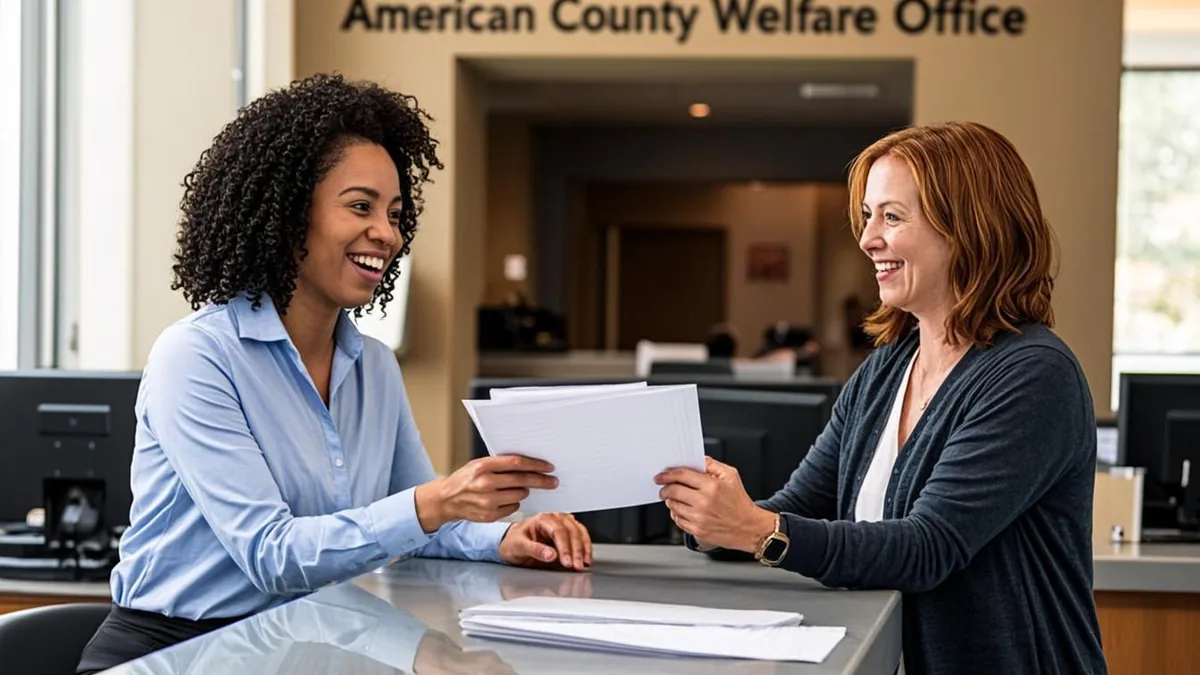
Check in at reception, get a queue number, and see an intake worker. You complete the application with their help. Filing itself takes twenty to forty minutes when your folder is ready.
Wait times run the show, and they follow predictable patterns. Mid-morning on Tuesday through Thursday sees the shortest lines. Mondays and lunch hours swell them.
End-of-month days stay busy everywhere, because benefits renew on monthly cycles. Bring a book, a charger, and snacks for kids. The wait becomes manageable rather than miserable.
Appointments do exist for certain situations. Households with mobility needs, scheduled interpreter visits, or complex cases can book ahead by phone.
Appointments skip the general queue, which matters for anyone who can't stand in line comfortably. Call the office and ask what their scheduling policy covers. Arrangements vary widely between counties.
The interview rarely happens during the same visit, and that surprises first-timers. Filing is the in-person step. The eligibility interview usually follows by phone within two weeks.
Some offices complete interviews same-day when the calendar allows. Ask at intake whether one is available today. If not, guard your phone exactly as the interview guide describes for the next two weeks.
📌 The drop-box option
Many offices keep a secure drop box for document-only visits. It suits households delivering verification papers. First-time applications belong in front of a person who can screen for expedited service.
Your Rights at the Counter
Three rights protect every applicant during an office visit, and knowing them changes the conversation.
First, interpreter services are free, including sign language. You can request a specific language in advance by phone. Second, staff must accept your application the same day you submit it, even if eligibility is undecided for weeks.
The legal start date is that filing day. Third, you may file with incomplete documents. The office issues verification requests afterward rather than rejecting the application outright.
That third right matters most in practice. Households that wait until every paper is perfect often wait forever.
Filing with what you have starts the thirty-day clock. The verification checklist tells you what will arrive by mail afterward. File early, supplement later, and the system works with you.
⚠️ Keep your own copies of everything filed
Photocopy or photograph every page before the intake worker takes it. If a document vanishes, your copy plus a dated note wins the argument in one call. Applicants with copies never relive the lost-paperwork denial.
Dana, a warehouse worker in Oregon, used the counter visit to untangle a shared-custody question. It had stalled her twice online. Ten minutes with an intake worker settled which children counted in her household.
Her application left the office complete, and the approval notice arrived on day nineteen.
Special situations bend the standard flow in predictable directions, so prepare accordingly. Seniors and applicants with disabilities can request accommodations at the counter. Chairs near the front, or a quieter room for sensitive conversations, are available on request.
Households experiencing homelessness can file without an address. Use the office's address or a caseworker contact. Survivors of domestic violence can ask to speak with staff privately about safety concerns.
Every one of these conversations happens at the counter faster than over a phone tree. That speed is the quiet argument for the in-person route.
The Hybrid Strategy That Saves the Most Time
Experienced applicants combine both channels on purpose. File the application in person for the same-day start date and the expedited screen.
Then move everything else online. Upload verification documents through the portal, check status weekly, and read notices digitally. The office visit buys you a clean start, and the portal kills the return trips.
Set up the online account the same day you file, while the intake worker can still answer questions. Link your case number immediately, because unlinked accounts cause the notorious "no record found" errors.
From that point on, the status checking guide covers your weekly five-minute routine.
One caution closes the strategy. Never submit a duplicate application online after filing on paper. Parallel applications create conflicting files that take weeks to untangle.
If the portal shows no record of your paper application within a week, call the office. Don't refile. Duplicate cases are the only self-inflicted wound that wastes more time than a missed interview.
Finding Your Local Office and Preparing for the Trip
Every state agency maintains an office locator, and the USDA state directory links all of them. Confirm three details before traveling: the address, the intake hours, and appointment rules for first-time filings.
Transit riders should plan a midday trip. Buses run frequently then, and office queues stay shorter.
Bring one more thing experienced visitors swear by: a written list of questions. Counter conversations move quickly. Memory blurs under fluorescent lights.
A five-item list turns the visit from a blur into a plan. Ask about your expedited screening result, your interview options, and which deductions you can claim.
The trip itself closes the loop on one anxiety most visitors share. Offices see every possible situation daily. Nobody behind that counter will judge a missing document or an unusual household.
The intake workers chose a helping profession, and the organized applicant makes their day easier. Walk in with the folder, the question list, and the expectation of same-day filing. The visit then does exactly what it should.
Frequently Asked Questions
Do I need an appointment to apply for SNAP in person?
What should I bring to the SNAP office?
Can I apply with incomplete documents?
Will my interview happen the same day I file?
How long is the wait at a SNAP office?
Can I bring someone to translate for me?
Is applying in person faster than online?
Can I drop off documents without an appointment?
Sources: USDA Food and Nutrition Service, application and interview procedural standards; state agency office intake guidance; interpreter and accommodation requirements.